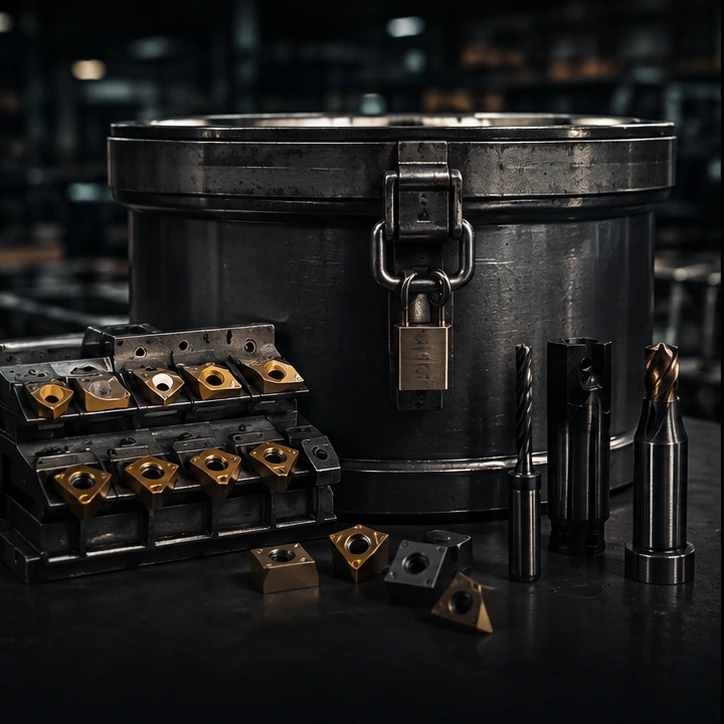
Carbide Collection
Secure containers and collection points for recurring carbide inserts and tooling.
Stripping a building? Ask about bin and pickup options — containers and roll-offs at your demolition site, so copper wire, cable, and metals go straight into Ironcrest collection as your crew pulls them — separated, secure, and picked up on schedule. No mixed dumpsters, no crew hours burned on scrap runs. The program also serves machine shops and contractors with recurring carbide and copper streams. Based in Rolling Meadows, Illinois — we travel anywhere in the country for the right load.
Short answer: stop treating it like trash and stop hauling it yourself. If your jobs regularly produce copper wire, cable, bus bar, or cutoffs, set up a scheduled collection program with a buyer: containers on your floor, separated by material, picked up on a route. You get paid for the metal, your crew stays on the job, and your floor stays clear.
Most contractors with recurring copper do one of three things. The first is tossing it in a mixed dumpster — the fastest way to turn valuable copper into the lowest possible payout, since mixed loads get bought as the cheapest thing in the pile. The second is piling it up and running it to the scrap yard yourselves — better money, but it eats crew hours and truck time every few weeks. The third is bin and pickup options: collection containers at your shop or site, your crew drops copper in as they generate it, and scheduled pickups keep the material moving without anyone leaving the job.
Separation is where the money is. Bare bright wire, insulated cable, and bus bar are different products with different values — mixed together, they all get priced down. A container program keeps them apart from the start, which is the simplest raise you'll ever give your scrap stream.
On demolition work, the math is even simpler. The building is coming down anyway, and every wire pull is money riding out in a mixed dumpster if it lands with the debris. A roll-off or container on site gives your crew one dedicated place for copper and metals — stripped, separated, and picked up on schedule while the job keeps moving.
A simple visual overview of the recurring collection program for qualifying carbide and copper accounts.
Secure containers and collection points for recurring carbide inserts and tooling.
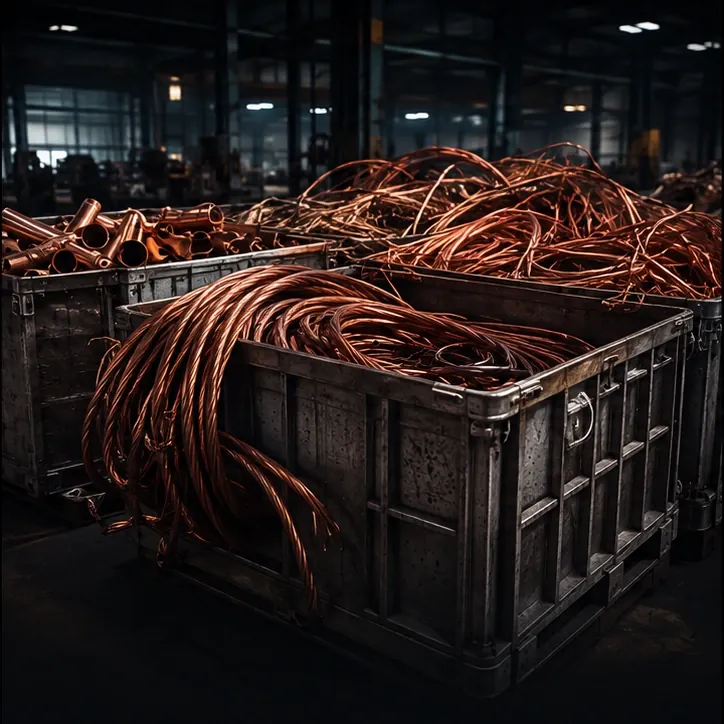
Containers and route service for qualifying contractor or industrial copper streams.
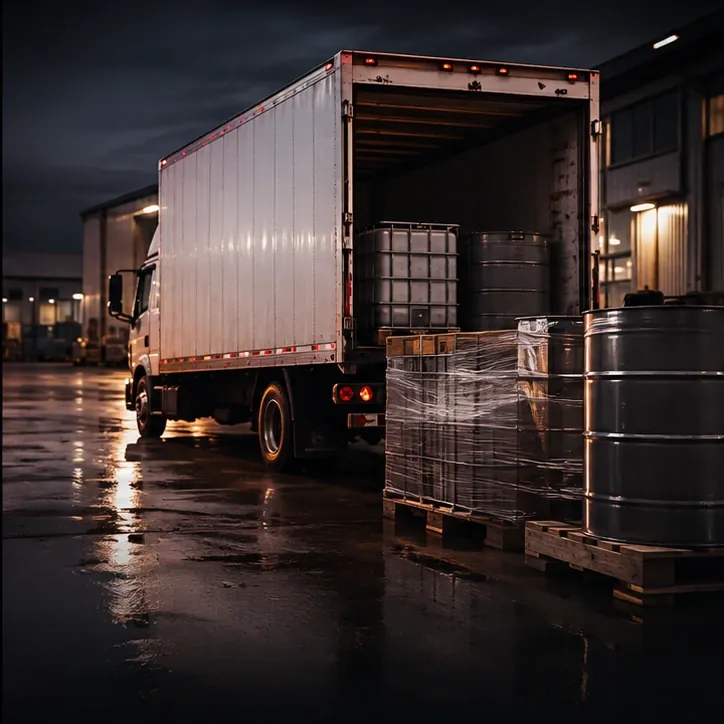
Simple service model designed to keep material separated and moving.
Demolition crews strip serious copper out of every building — wire pulls, cable, bus bar, feeders, panels. The container program puts an Ironcrest roll-off or collection container on your site, so stripped copper and metals go straight into a dedicated, separated stream instead of a mixed dumpster. Your crew keeps stripping, pickups run on schedule, and the copper gets paid as copper instead of getting bought down as mixed load. The same program serves shops and contractors with recurring generation: a dedicated collection point on your floor, so carbide, copper, and separated metals stay sorted from the moment they come off the machine or off the job.
Designed for recurring generation.
Helps protect value and cleanliness.
Ironcrest runs nationwide — we come to you.
Four steps from first call to first pickup. 1. Show us the stream — photos of what you generate, roughly how much, and how often it piles up. 2. We work out the setup with you — the right container style, floor placement, and what goes where, so your crew never has to guess. 3. Containers placed — collection points go in and your team fills them as part of the normal workflow. 4. Scheduled pickups — we run the route on a cadence built around your volume: full containers out, empties in, floor stays clear.
Straight answers before you call.
The program is a buying relationship, not equipment rental. We review your material stream first — what you generate, how much, how often — and if the fit is right we set up collection around it. Send photos through the quote form and we'll talk specifics for your shop.
We run nationwide. Ironcrest travels to every state — tell us where your site or facility is and what you're generating, and we'll set up the program around your job. No runaround.
It's the most common starting point, and it's exactly what the program fixes. We'll tell you what needs separating and what can ride together, then set up the containers so sorting happens as part of the normal workflow instead of as a cleanup project.
Container arrangements — placement, swap-outs, and who's responsible for what — are worked out per account during setup. It's part of the setup conversation, not fine print you discover later.
Pickup cadence is built around your generation volume. The goal is simple: containers never overflow and your floor never clogs. When your volume changes, the schedule changes with it.
If it's a regular stream, don't dumpster it and don't let it pile up for months. The container program gives you a dedicated collection point and a pickup schedule, so the copper leaves your shop as steadily as it arrives — and you get paid for it instead of paying to throw it away.
That's exactly what this program is: scheduled pickup for qualifying contractor and industrial copper streams — we run nationwide. Tell us what you generate and where, and we'll tell you straight.
Yes — it's the single biggest lever on what your copper is worth. Mixed loads get bought down to the cheapest material in the pile. The program's containers make separation automatic: the right bin is right there when the cutoff comes off.
Tell us the site location, the job timeline, and what you're pulling out. Bin and pickup options put a container or roll-off at the site — your crew loads copper wire, cable, and metals as they strip, and we run scheduled pickups around the job. Send photos of the material through the quote form and we'll talk setup.
Then the container program isn't the right fit — it's built for repeat generators. For one-time loads, send photos through the quote form or start at our copper, carbide, or electrical buying pages instead.
Tell us what material you generate, how often it accumulates and where your facility is located. We can review whether your volume and location fit a recurring service account.
Photograph the material, nameplates and quantity, then send them through the quote form, by email or by phone.
We review what the material is, its condition and quantity, and whether it fits a direct purchase.
For qualifying material, we discuss a direct purchase offer and the next steps.
Send a photo, get a fast, free no-obligation quote — or call 312-880-8174.