Sell the copper outright
Already stripped? Piled up and ready? Send photos of the wire, cable, transformers and gear. We review it, make an offer, and arrange pickup — your crew never leaves the job to haul scrap.
Every tear-out leaves copper behind — wire pulls, feeders, bus bar, transformers. Ironcrest buys demolition copper two ways: sell it to us outright and we arrange pickup, or have us place a roll-off or container at your site so your crew loads copper as they strip and we run scheduled pickups. Either way, send photos for today’s price.
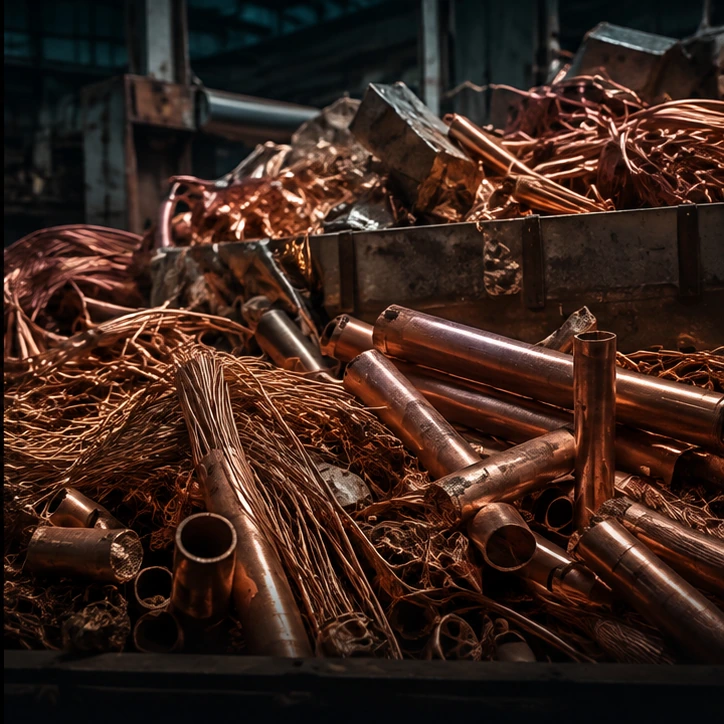
Two paths, same buyer. Pick whichever fits where your job stands.
Already stripped? Piled up and ready? Send photos of the wire, cable, transformers and gear. We review it, make an offer, and arrange pickup — your crew never leaves the job to haul scrap.
Still stripping? We place a container or roll-off at your site. Your crew drops copper wire, cable and metals straight in as they pull it — separated from debris, picked up on schedule. No mixed dumpsters, no scrap runs.
How much copper is in a commercial tear-out? Industry estimates put office buildings at roughly 15–25 lbs of copper wire per 1,000 square feet — before feeders, bus bar, switchgear and transformers. On a mid-size commercial demo that adds up fast, especially with copper markets at record highs.
Related: sell industrial surplus from a demolition project.
Demolition contractors, general contractors, facility owners and project managers overseeing tear-outs, gut rehabs and full building demolitions.
Photos from the walkthrough or active site, material types, rough quantities, project city/state and the demo timeline. Send photos for today’s price.
Related: Demolition scrap metal removal in Chicago · Construction scrap metal recycling.
A commercial gut, an industrial tear-out and a full building demolition all produce the same families of material — copper, conduit and electrical distribution equipment — in different volumes. Here is what to look for and how each stream is evaluated.
Feeder cable, branch circuits, service entrances and pulled wire. Photograph jacket printing and cut ends, and separate copper from aluminum-clad or steel-armored runs when practical.
EMT, rigid, IMC, wireway and fittings. Conduit bundled in straight lengths is faster to evaluate than bent, tangled runs mixed into general scrap.
Keep electrical gear intact. Nameplates and breaker frames determine whether resale value exists beyond commodity recovery — that option disappears once gear is cut apart.
Dry-type and oil-filled transformers, motor control centers and buckets. Send nameplate photos with kVA, voltage and phase, plus whether the unit is disconnected.
Fixtures, ballasts and emergency lighting from commercial gut jobs. Useful in volume; flag PCB-era ballasts and mercury-containing devices so the review reflects reality.
Steel, aluminum and stainless from the same tear-out can round out a load review alongside the copper and electrical streams.
Recovering electrical equipment specifically? See our demolition electrical surplus page. Selling copper from the demo? View Ironcrest’s complete copper purchasing page →
Leftover full rolls from the rough-in? Sell usable wire rolls for more than scrap | The Wire Guide
The best time to send photos is during the walkthrough, before the first wall comes down. Intact electrical gear — panels, switchgear, transformers — can carry resale value that disappears the moment it is cut apart for scrap. A five-minute photo set during the site walk can change what the material is worth.
Send walkthrough photos: electrical rooms, panels, mechanical spaces and wire runs. Recoverable and resale-value material gets identified before the tear-out, so the demo plan can protect it.
Staged material works too. Photos of sorted piles, conduit bundles and pulled wire let Ironcrest evaluate while the job is moving, without slowing your crew.
Leftover lots still get reviewed. Send what remains with quantities and location — clean copper and intact gear hold value even after the building is gone.
What demolition contractors told the industry they want from a scrap buyer — and what Ironcrest is set up to do.
C&D industry guidance puts a clean, segregated copper load at multiples of a mixed one. Copper-only containers keep your pulls out of the mixed dumpster, where everything gets graded down to the cheapest thing in the pile.
No more burning crew hours and truck time on scrap-yard runs. Scheduled pickups and site containers keep the job moving while the metal moves itself.
2026 copper markets are at all-time highs on data-center, grid and EV demand. Every wire pull on your site is a real line item — sell it like one.
Piled-up copper on an open site is a theft target, and copper theft runs hot at record prices. Scheduled pickups move metal off the site steadily instead of letting it accumulate.
Illinois requires dealer records, seller ID and photos on scrap transactions, with tighter rules phasing in. We run documented, compliant transactions — no headache for your office.
Insulated wire, bare copper, bus bar, transformers and motors are different products. Each stream is evaluated on what it is — not priced down as one mixed pile.
How material is handled between the building and the truck affects what it is worth. These five habits cost nothing and consistently improve outcomes for demolition sellers.
Panels, switchgear and transformers are worth more intact with legible nameplates than as mixed scrap. Cut the wire, not the gear — let the review happen first.
Keep heavy feeder, bare copper, insulated wire and bus bar in separate piles or gaylords. Mixed loads take longer to evaluate and can drag the offer down.
Breaker frames, panel schedules, transformer nameplates and motor tags are how resale value is identified. Keep them readable and photograph them before removal.
EMT and rigid conduit in straight, bundled lengths is easier to handle and evaluate than bent, tangled runs. Band it as it comes out.
Note PCB-era ballasts, mercury switches, oil-filled equipment and suspect insulation. Disclosing what you know keeps the review honest and avoids surprises at pickup.
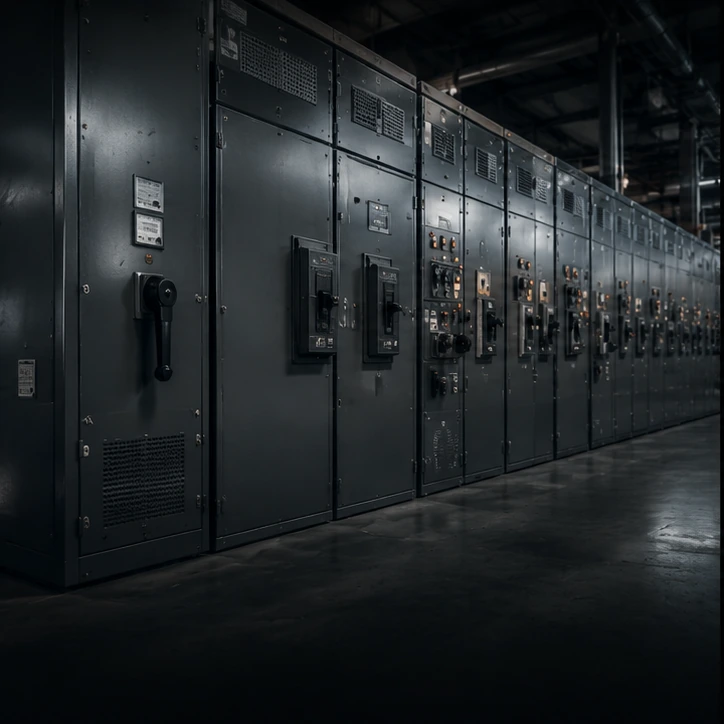
Good photos are the difference between a same-day review and a week of back-and-forth. Send these four sets with every demolition inquiry.
Electrical rooms, staged piles and the full scope of material. Include a person, pallet or doorway for scale so quantities can be estimated.
Close-ups of every panel, transformer, breaker and motor tag. Jacket printing on wire and cable. These markings drive identification.
Reel counts, pallet counts, container sizes, estimated footage or weight. Rough numbers are fine — they let the review start.
Loading dock or street access, floor level, whether equipment is disconnected, and the project city and state. Access details determine pickup options.
Send photos for today’s price: email photos, quantities, project location and demo timeline to [email protected] or call 312-880-8174.
Full plant demolitions combine everything above at scale — production machinery, electrical distribution, long runs of wire and cable, bus duct, transformers, plus tooling and MRO surplus. When you are clearing an entire facility, send the full picture: building photos, electrical room shots, equipment lists when available, and the demo schedule. The recoverable material is reviewed as one opportunity rather than piecemeal.
Related: plant closing equipment buyer.
For dedicated plant-closing support, see our plant closings page, and for electrical recovery specifics, our demolition electrical surplus page.
Send walkthrough or active-site photos today — wire pulls, electrical rooms, staged piles. We’ll tell you what the material is worth and whether a roll-off on site makes sense for the job.
Building-type estimates, where the copper hides, and what to pull first.
Ownership follows the contract — how owners and contractors split demolition scrap value.
The second payday: sorting on site and selling to one consistent national buyer.
The walkthrough that decides whether the scrap program pays: photos, ownership, segregation, containers.
What to strip vs. sell as-is — the formula that settles it for every load.
We refer teardown work to our demolition partners, advertise them on this website, and buy every pound of copper and metal their crews recover. Jobs in, metal out — become a demolition partner →
Knocking down a house or building yourself? Sell us the copper first and take our crew referral →
As early as possible — ideally during the project walkthrough, before demolition starts. Intact switchgear, panels and transformers can have resale value beyond scrap, and that value disappears once gear is cut apart. Send walkthrough photos of electrical rooms, mechanical spaces and wire runs so recoverable material can be identified before the tear-out. We also review staged material during demolition and leftover lots after the job.
Yes. Send photos from the site — staged piles, pulled wire, conduit bundles, electrical rooms — along with the project city/state and timeline. Pickup depends on the material, volume, site access and location. Ironcrest is based in Rolling Meadows, Illinois and runs nationwide — send the address or ZIP code with photos so pickup can be confirmed.
Do not break down electrical gear before it is reviewed. Panels, switchgear, breakers and transformers are evaluated for resale value first — cutting them apart destroys that option. Separating copper wire by type (heavy feeder, bare, insulated) does help and is worth doing. Photograph nameplates before removal so identification survives the tear-out.
Wide shots of electrical rooms and staged material with something for scale, close-ups of every nameplate and wire jacket marking, quantities (pallet counts, footage, estimated weight), and access details (loading dock, floor level, whether equipment is disconnected). Include the project city/state and demo timeline. Send photos for today's price.
Yes. Full-facility demolitions are reviewed as one opportunity — production machinery, electrical distribution, wire and cable, bus duct, transformers, tooling and MRO surplus together. Send building photos, electrical room shots, equipment lists when available, and the demo schedule. For dedicated plant-closing support, see our plant closings page.
Just sell it. The roll-off and container program is optional — if your copper is already pulled and staged, send photos and we’ll make an offer and arrange pickup. The on-site container is there for active jobs where the crew is still stripping.
Yes — bin and pickup options. We place a roll-off or collection container at the site, your crew loads copper wire, cable and metals as they strip, and we run scheduled pickups around the job. Tell us the site location and timeline through the quote form to set it up.
We do. Ironcrest arranges pickup of copper, wire, transformers and electrical gear from active and completed demolition sites. Send photos, quantities, the site address and timeline, and we’ll confirm pickup options for your job.
Don’t let it pile up. Scheduled pickups move copper off the site steadily instead of accumulating in an open pile, and separated, documented loads are harder to walk off with unnoticed. Bring us in early and we’ll build the pickup cadence around your strip schedule.
Have demolition material to sell? Send photos, quantities, project location and demo timeline to [email protected] or call 312-880-8174 for today’s price.
Industrial equipment can be worth more intact than as scrap. Clear photos and nameplates help determine whether resale, component recovery or commodity recovery is the best path.
Photograph the material, nameplates and quantity, then send them through the quote form, by email or by phone.
We review what the material is, its condition and quantity, and whether it fits a direct purchase.
For qualifying material, we discuss a direct purchase offer and the next steps.