Cut a fresh end
Snip the wire and look at the fresh cross-section. Bright, shiny copper points to Bare Bright or #1. Dull, dark, or brownish copper means oxidation — #1 at best, possibly #2.
Understand what your copper wire is worth before you sell it. Bare Bright, #1, #2, and insulated wire are valued differently — here is how to identify each grade and get your best offer.
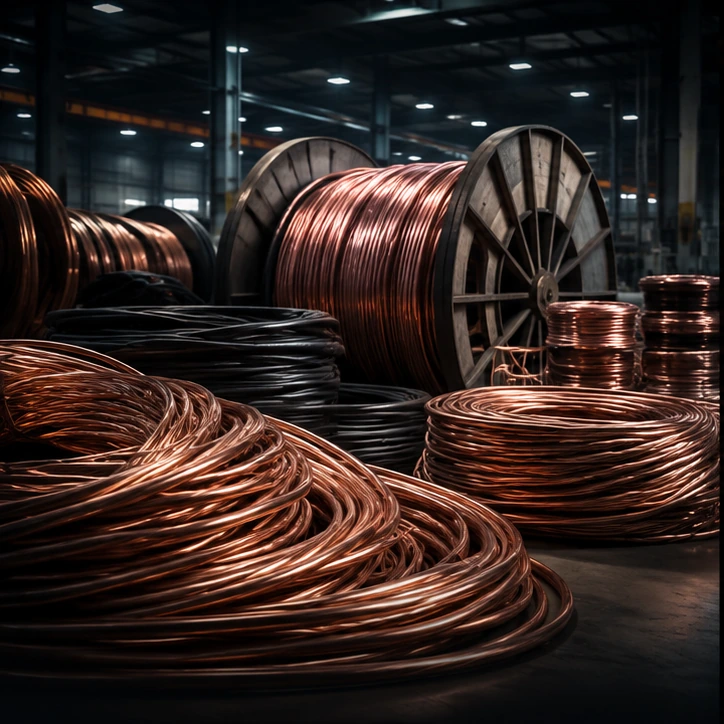
Copper wire is not one commodity — it is several, and the difference between grades is the difference between a strong offer and a disappointing one. Buyers grade copper by how much pure copper can actually be recovered from it. A clean, shiny length of heavy-gauge bare wire recovers nearly all of its weight as copper. A tangled box of thin insulated wire may recover only a small fraction of its weight once the plastic is removed.
Here is the part that costs sellers money: when grades get mixed together in one load, the whole load is typically priced at the lowest grade in the pile. A few feet of burnt or painted wire tossed in with clean bare copper drags the entire lot down. Understanding grades helps you twice — you can sort your material before selling, and you can judge whether an offer is fair. This guide covers the four grades buyers use, how to identify them, which common wire types fall where, and how to prepare your wire for the best possible offer.
Nearly every buyer in the country uses the same four-tier system. Learn it once and you will know exactly where your material stands.
Bare Bright is the top grade: clean, bare, uncoated, unalloyed copper wire with no insulation, no paint, no solder, no tinning, and no significant tarnish or oxidation. It must be heavy-gauge wire — roughly, if the wire is thinner than a standard paperclip wire, it is usually too thin to qualify. (Current industry specs leave gauge to buyer–seller agreement.) In practice, Bare Bright is usually heavy-gauge wire that has been stripped clean. The copper should look bright and shiny, close to the color of a new penny. If the surface has dulled to brown or darkened from weather exposure, it no longer qualifies as Bare Bright and falls to #1.
#1 copper (Number 1) is clean copper that falls just short of Bare Bright. It includes copper tubing, clean copper pipe, and stripped wire with light surface oxidation or minor tarnish. It must still be uncoated, unalloyed, and free of paint, solder, and insulation. Think of it as Bare Bright’s slightly weathered sibling — all the copper is there, it just does not shine like new. Most stripped wire from demolition and renovation work lands here, because wire that has sat in a building for years develops a patina even under insulation.
#2 copper covers material with heavier oxidation, paint, solder joints, or light contamination. This includes wire with stubborn insulation residue, copper with soldered joints still attached, and burnt wire — wire whose insulation was burned off. Burning insulation is illegal in most jurisdictions, damages the copper itself, and automatically downgrades the material. #2 still has real copper value, but the recovery rate is lower and processing costs are higher, so it is valued below #1. If your wire has any doubt about it — mixed, dirty, or questionable — it is probably #2.
Insulated wire is valued on copper recovery: the percentage of the wire’s weight that is actually copper once the insulation is removed. Heavy insulated cable, such as thick feeder cable or welding cable, can recover a high percentage of its weight as copper. Thin wire, such as thermostat or communications wire, recovers very little — most of what you are holding is plastic. This is why two piles of insulated wire that look similar in size can be worth very different amounts. When you send photos, close-ups of the jacket printing and a cut end showing the conductor size help determine the recovery rate, which is what the offer is based on.
You do not need lab equipment. Five quick checks will place almost any wire in the right grade:
Snip the wire and look at the fresh cross-section. Bright, shiny copper points to Bare Bright or #1. Dull, dark, or brownish copper means oxidation — #1 at best, possibly #2.
Bare Bright must be heavy-gauge wire. Thin wire, even if perfectly clean and shiny, typically cannot grade as Bare Bright.
Silvery tinning, solder blobs, paint, or lacquer coatings all disqualify wire from the top grades. Tinned copper looks silvery on the outside but is copper underneath — it still has value, just not as Bare Bright.
Copper is not magnetic. If a magnet sticks to your wire, there is steel present — armored cable jackets, steel attachments, or copper-clad steel conductors. Separate steel from copper before selling.
The printing on insulated wire tells you the wire type, gauge, and conductor material. Look for “CU” (copper) versus “AL” (aluminum). Many sellers mistake aluminum SER cable for copper — the jacket printing settles it in seconds.
These grades come from ReMA’s ISRI Specifications — the spec book every major processor buys and sells against (bare bright is “Barley,” #1 wire is “Berry,” #2 wire is “Birch”). Same specs, same language, none of the runaround: text a photo of your wire to 312-880-8174 and get today’s number.
Burning insulation off wire is illegal in most places, releases toxic fumes, damages the copper, and automatically downgrades it to #2. Stripped cleanly or sold insulated — those are the two options.
The printing on the jacket tells you most of what a buyer needs to know. Here is where the wire you are most likely to encounter falls:
The workhorse of commercial electrical work — solid or stranded copper conductors in a tough nylon and PVC jacket. Good copper recovery when stripped, and commonly sold insulated. If you are an electrical contractor, this is probably most of your scrap.
Residential wiring: two or more insulated copper conductors plus a bare ground wire inside a flat PVC sheath. Moderate copper content — the outer jacket makes up a meaningful share of the total weight, so recovery is lower than it looks.
Underground feeder cable. Similar to Romex but with a tougher, solid-filled jacket rated for direct burial. Slightly lower copper recovery than Romex because the jacket is heavier.
Service entrance cable, and a frequent source of confusion: SER is commonly aluminum, not copper. Check the jacket printing for “AL” or the word aluminum. Aluminum wire is a different commodity with a different market. Copper SER exists but is far less common — verify before you sort it with your copper.
Fine-stranded copper with a flexible rubber jacket. Very high copper content — among the best insulated wires to sell. The fine stranding and thick copper cross-section mean excellent recovery.
Copper conductors inside a spiral steel armor. The copper inside is usually good building wire, but the steel armor must come off first — it is steel, not copper, and a magnet will confirm it. Strip the armor, keep the copper.
Often copper-clad steel or aluminum shielding rather than solid copper. Test the center conductor: file it or check it with a magnet. If it is steel underneath the copper coating, the value is minimal.
Usually thin copper conductors in a rubber or vinyl jacket. Low copper content per foot — worthwhile mainly in quantity, such as a contractor cleanout with dozens of cords.
Looks like copper on the outside, aluminum core on the inside. Common in cheap extension cords and some communications cable. Cut or file the conductor — a silvery interior means aluminum. Worth far less than solid copper, so keep it separated.
An honest word: Christmas lights are very thin wire loaded with plastic, bulbs, and sockets. Copper content is minimal. They are generally only worth pursuing in large bulk quantities — a single box of old lights is not worth shipping anywhere. If you have pallet quantities, send photos and we will tell you straight whether it makes sense.
The honest answer: sometimes. Here is how to think about it.
Stripping is real labor. Thin wire takes far longer per pound than heavy cable, and the gain may not cover your time. A wire stripping machine costs real money and only pays for itself at volume. Nicked or gouged copper from aggressive stripping gets downgraded. And insulation dust is not harmless — wear a mask if you strip.
A practical rule of thumb: if the wire is heavy-gauge and you have more than a small box of it, stripping usually pays. If it is thin, mixed, or you only have a little, sell it insulated and keep your weekend. Either way, never burn insulation off — it is illegal in most jurisdictions, it damages the copper, and the material is automatically downgraded.
Grade is the starting point, but several other factors move the final offer:
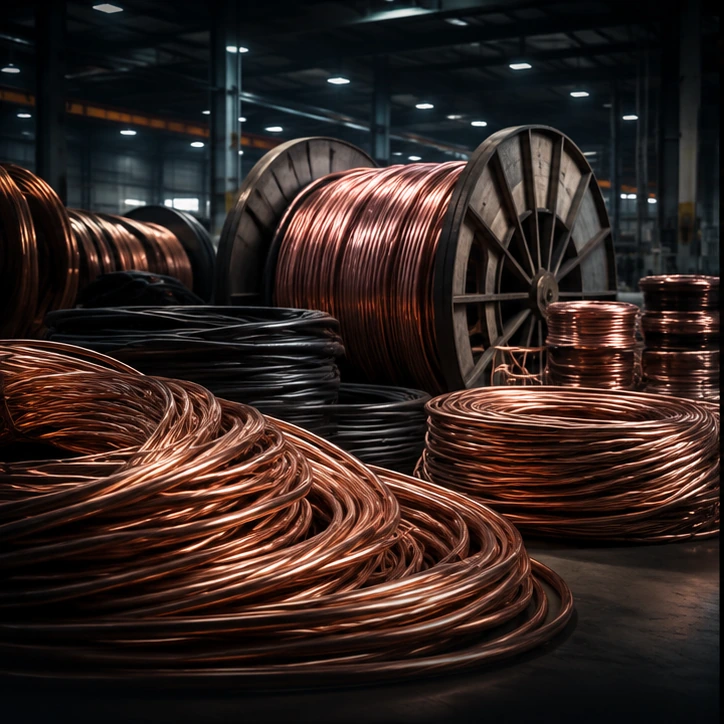
You do not need to do all of this, but each step you complete sharpens the quote:
Keep Bare Bright, #1, #2, and insulated wire in separate piles. Pull aluminum and steel into their own piles. Mixed loads price at the lowest grade present.
Pull off steel connectors, plugs, and devices where practical. A magnet is the fastest sorting tool you own.
Take an overall shot of each pile with something for scale, close-ups of cut conductor ends, and clear photos of any jacket printing or reel tags.
Approximate weight, footage, or reel count. A bathroom scale works for small lots; for large lots, pallet counts and reel sizes help.
Include your city and ZIP code. Logistics depend on material, volume, access, and location — the address lets us confirm options.
Email photos, quantities, wire types, and location to [email protected] or call 312-880-8174 for today’s price.
Also selling other material? We buy copper wire in the Chicago area, review material through our copper purchasing page, and also buy carbide scrap.
Email photos of your wire — overall piles, cut ends, jacket printing — plus the wire type, estimated quantity, and your city/ZIP.
We identify the grade, estimate copper recovery, and check current market conditions for your material.
A real offer based on today’s market and your specific material — not a stale price list.
Pickup or delivery options depend on the material, volume, access, and location. We confirm what works when you send your details.
Bare Bright is the top grade: clean, uncoated, unalloyed copper wire with a bright, shiny surface and no tarnish, paint, solder, or tinning. #1 copper is clean copper with light surface oxidation or minor tarnish — all the copper is there, it just does not shine like new. #2 copper includes heavier oxidation, paint, solder joints, insulation residue, or burnt wire, and is valued below #1 because recovery is lower.
It depends on the gauge, the quantity, and your time. Heavy-gauge wire in meaningful quantity is usually worth stripping — it can move up one or two grades. Thin or mixed wire often is not worth the labor; sell it insulated. Never burn insulation off: it is illegal in most jurisdictions, damages the copper, and automatically downgrades the material to #2.
Honestly, these have very low copper content — Christmas lights in particular are mostly plastic, bulbs, and sockets. They are generally only worth pursuing in large bulk quantities. If you have pallet quantities of low-grade wire, send photos and we will tell you straight whether it makes sense.
Send photos, estimated weight or footage, wire type, and pickup location. We price each lot from current market conditions and the recoverable value of the material, so public per-pound prices are not posted. Email [email protected] or call 312-880-8174 for today’s price.
Four kinds: an overall shot of each sorted pile with something for scale, close-ups of freshly cut conductor ends, clear photos of jacket printing or wire-type markings, and reel tags if the wire is new on reels. Sorted piles photograph better than mixed ones — and mixed loads price at the lowest grade in the pile.
Have copper wire or cable to sell? Send photos, quantity, wire type, and pickup location to [email protected] or call 312-880-8174 for today’s price.
Wire grade, copper recovery, and resale potential cannot be judged from a description alone. Clear photos of cut ends, jacket printing, and sorted piles let material be graded accurately — which is what a fair offer is built on.
New: Explore the Ironcrest Copper Resource Center — grades, markets, identification guides, and interactive tools.
Photograph the material, nameplates and quantity, then send them through the quote form, by email or by phone.
We review what the material is, its condition and quantity, and whether it fits a direct purchase.
For qualifying material, we discuss a direct purchase offer and the next steps.