Send photos
Photograph the material, nameplates and quantity, then text them to 312-880-8174 or call.
Of every grade the scrap trade names, bare bright sits at the top — pure copper wire, nothing on it and nothing in it. Here's exactly what has to be true for wire to qualify, where it comes from, and why it earns the best number.
These are real loads Sonny bought — not stock photos. Bare bright comes in as taped coils, boxes, and bins of stripped wire, bright and uncoated.
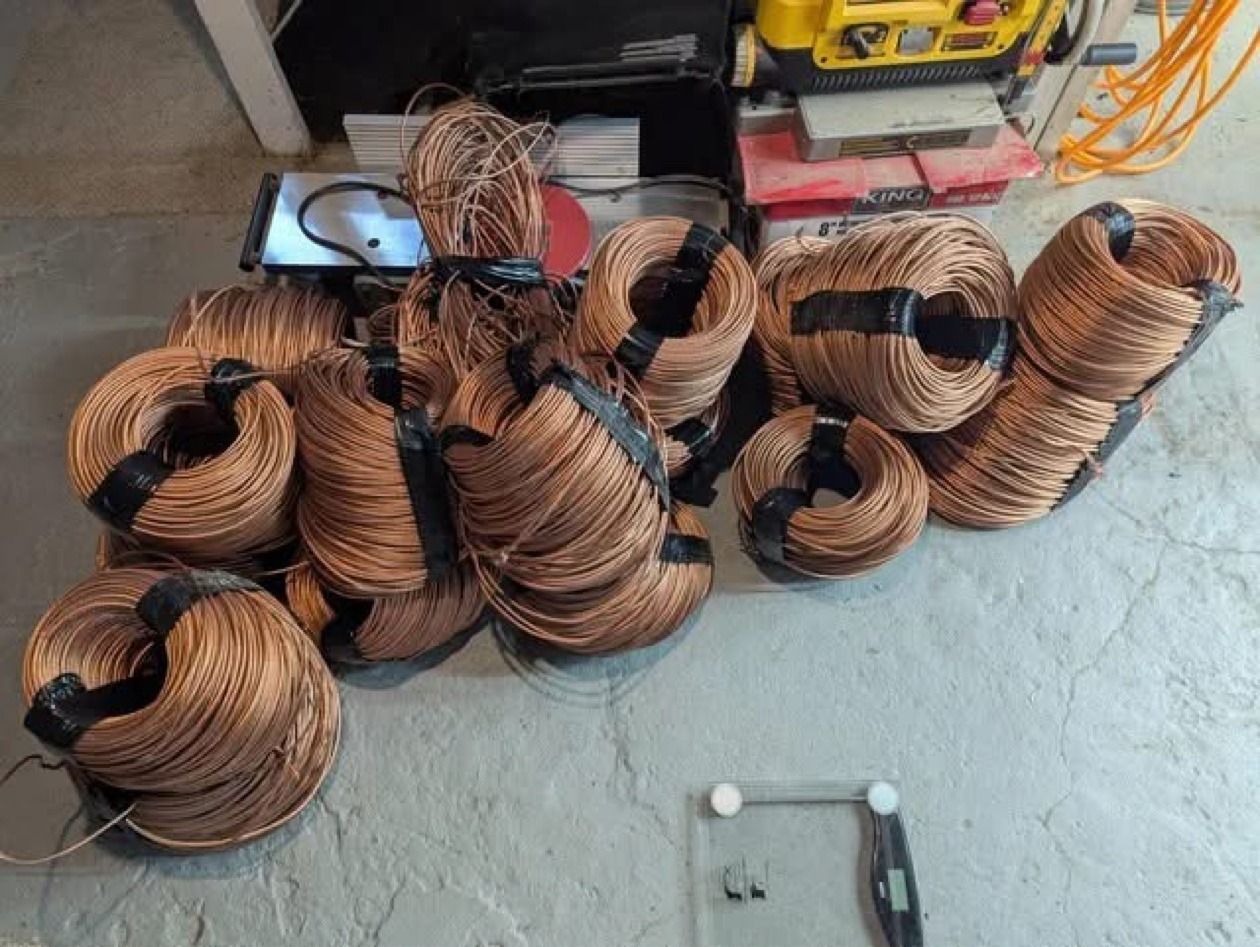
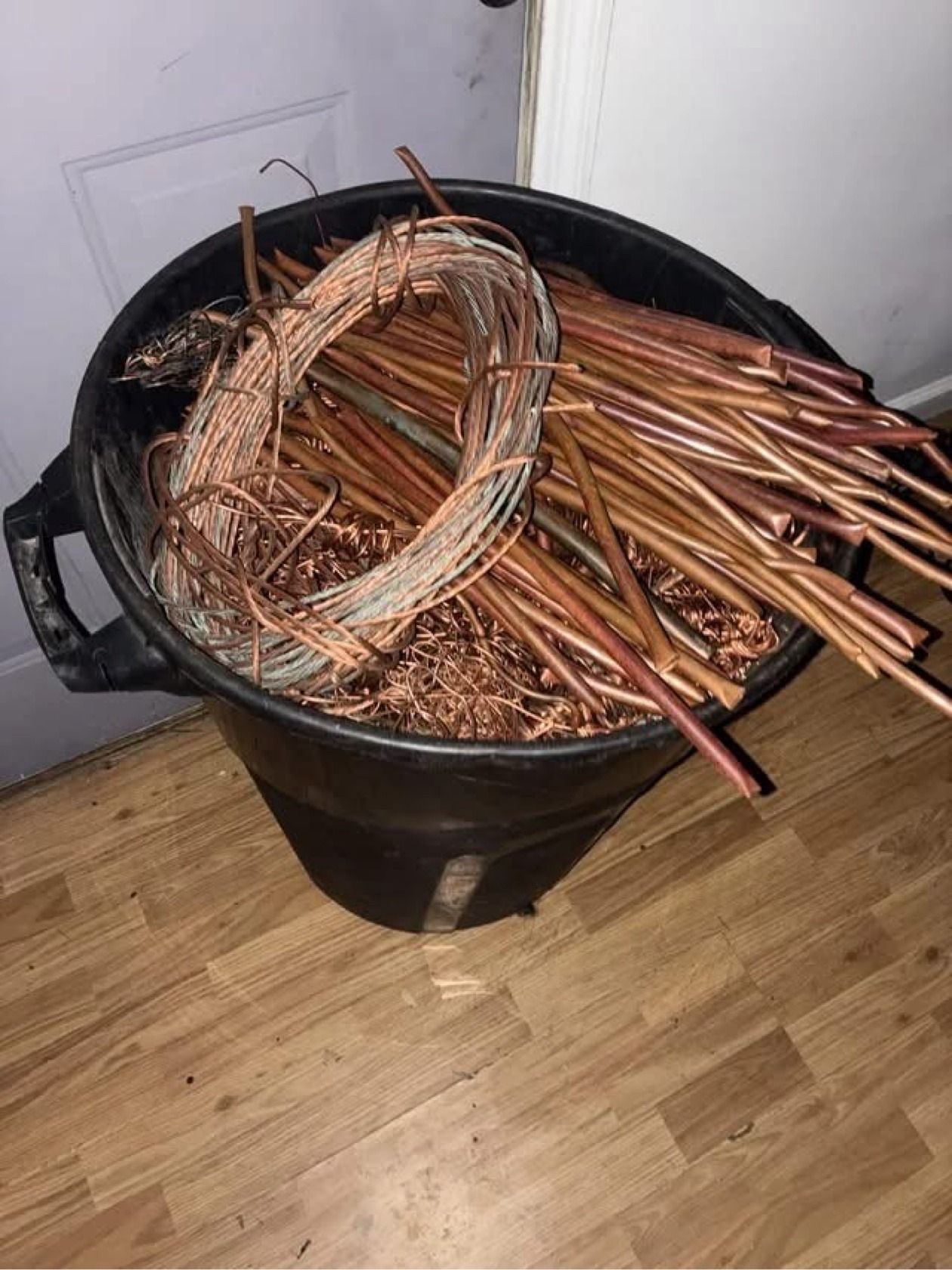
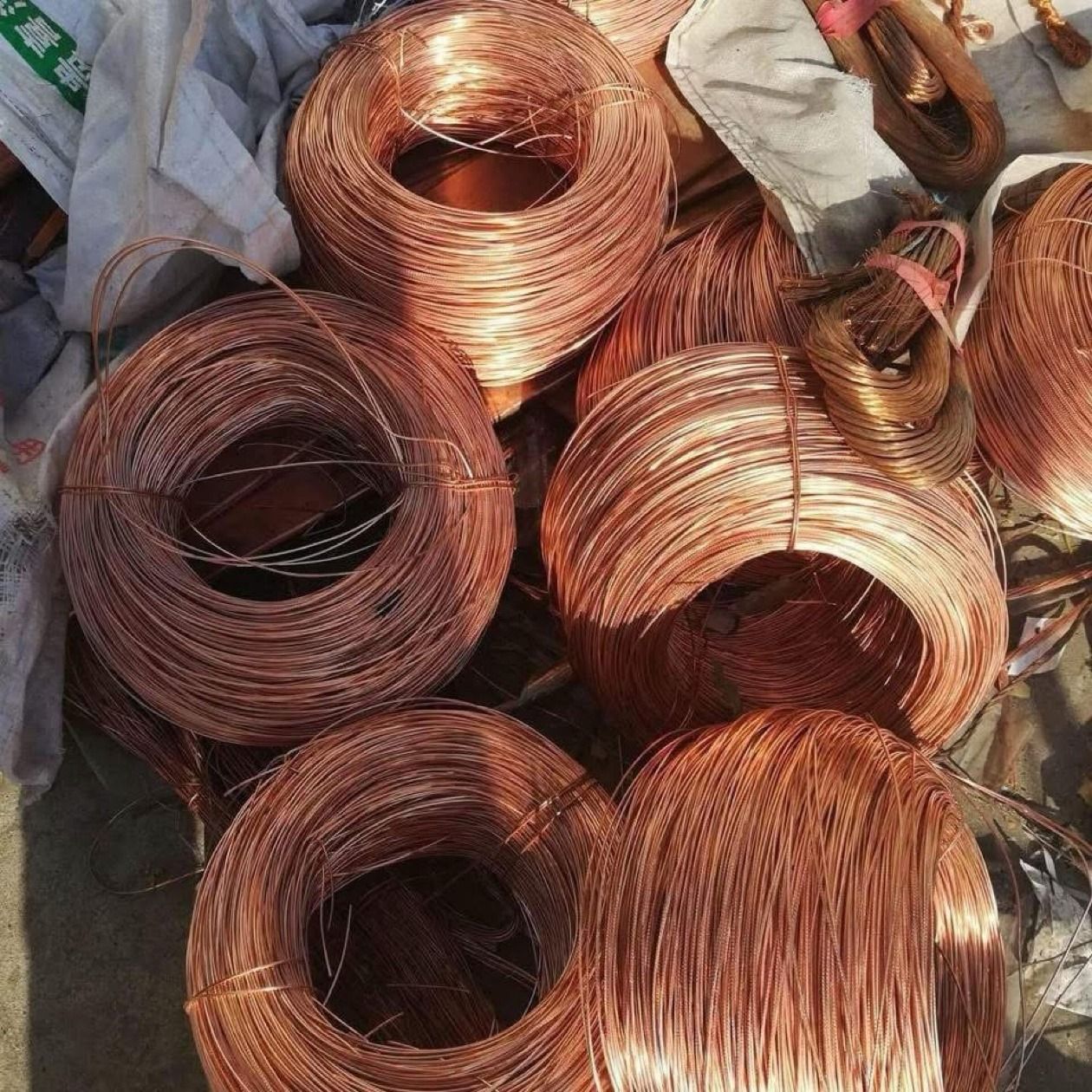
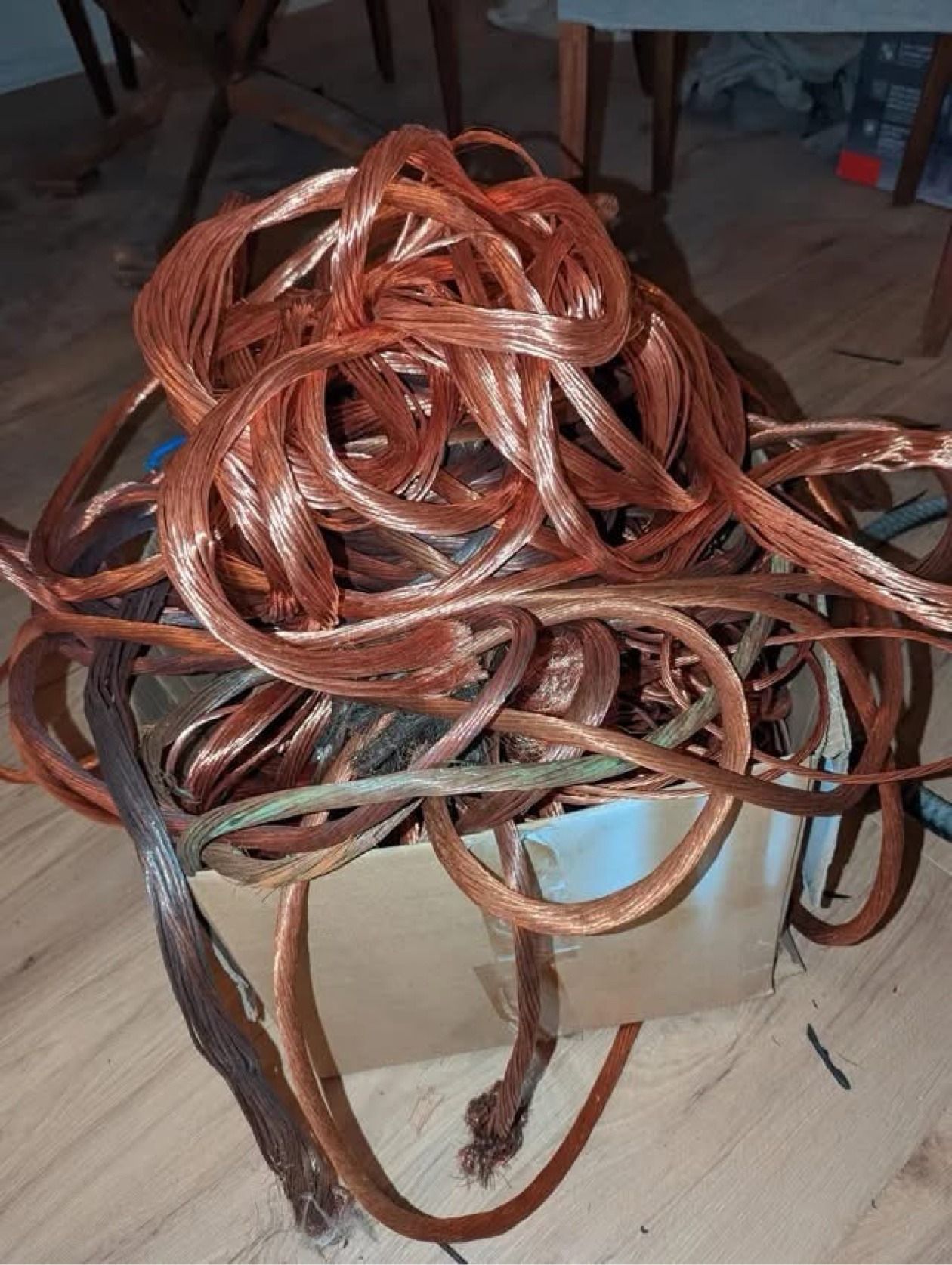
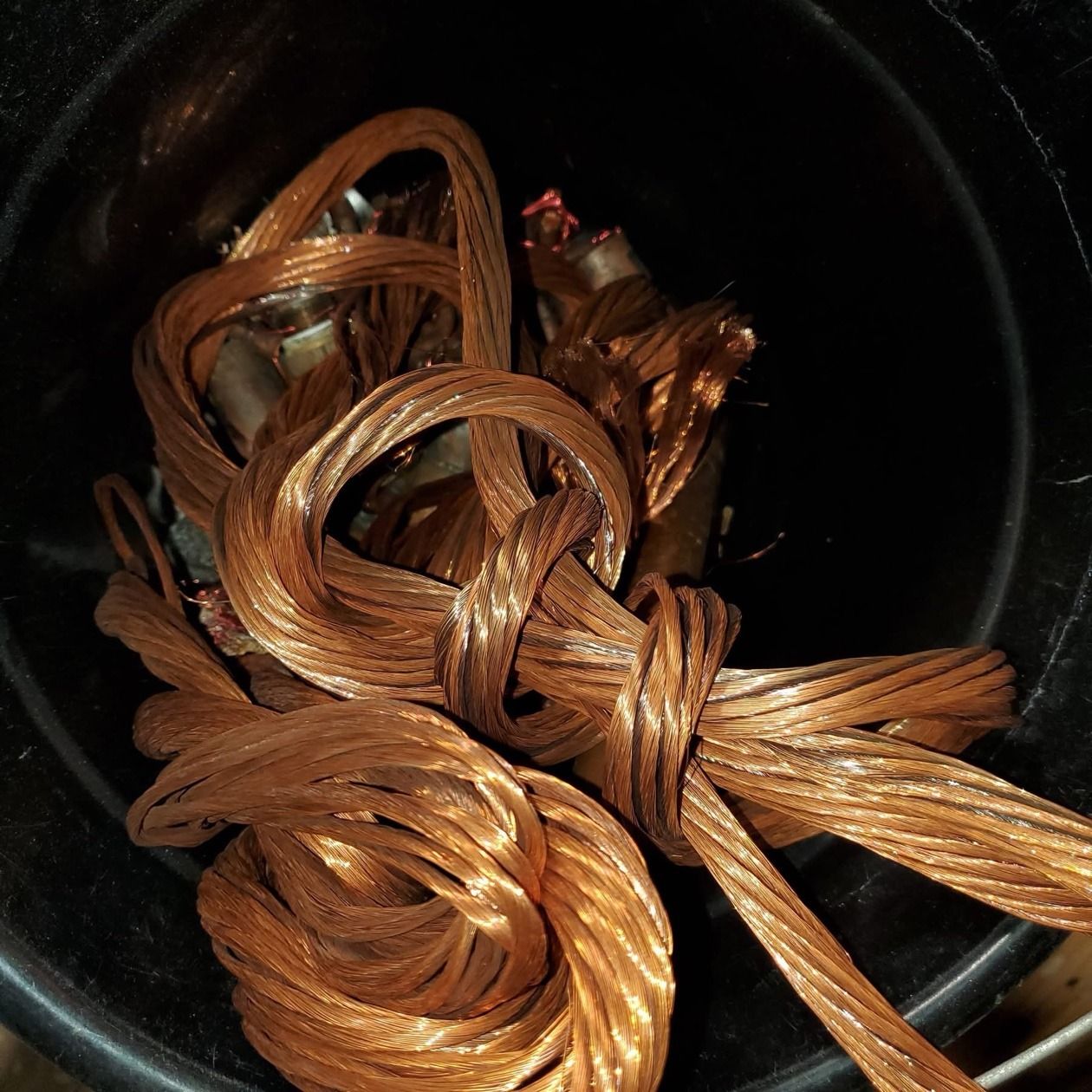
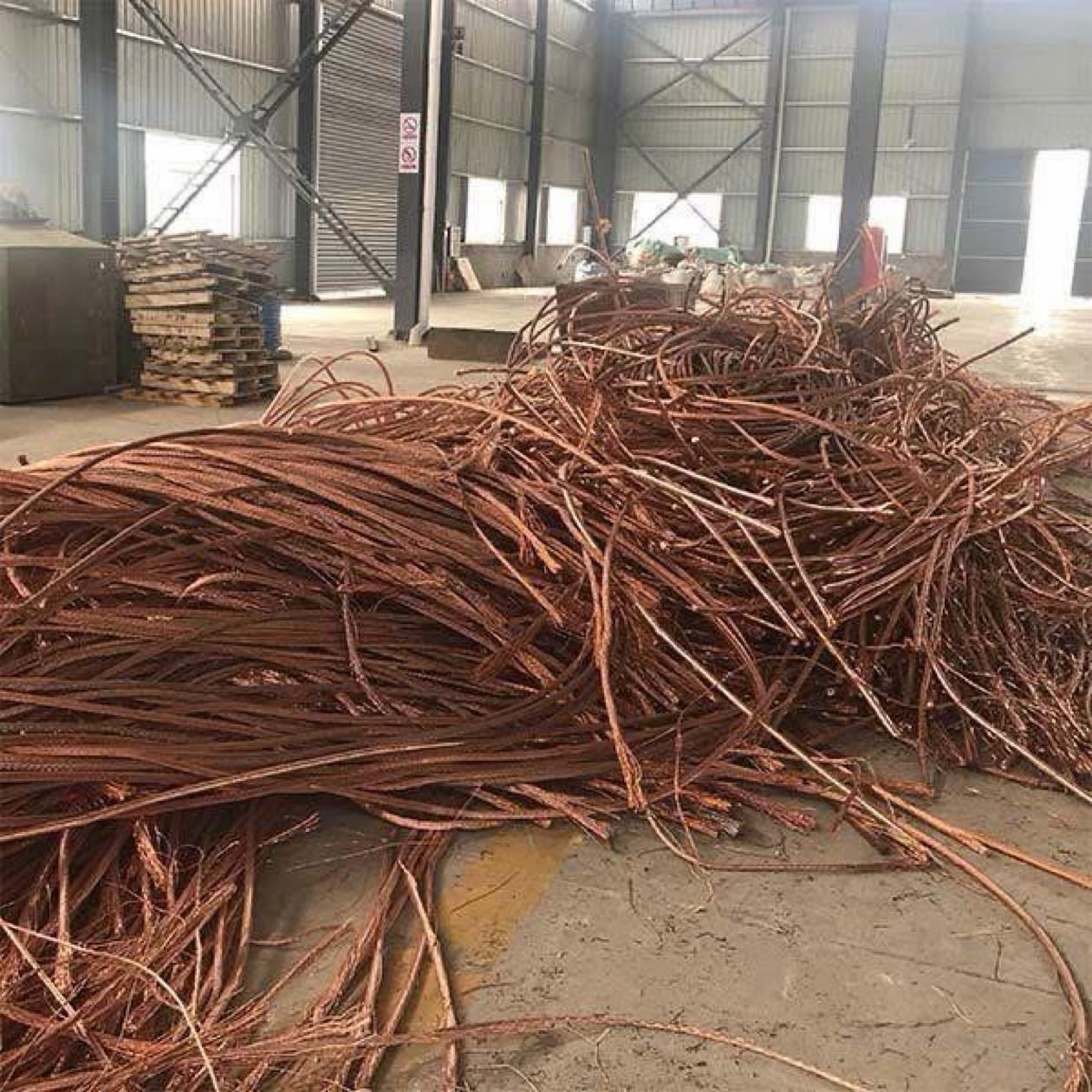
In the industry's ISRI Specifications (ReMA, formerly ISRI), the code name for bare bright copper is Barley: No. 1 bare, uncoated, unalloyed copper wire. Older wording required wire not smaller than 16 B&S gauge; the current spec leaves gauge to agreement between buyer and seller, and in yard practice the line sits at about 12 AWG and larger. The wire must be bright and shiny, free of plating, coating, attachments, and tarnish. Fine-stranded "hair wire" is out — no matter how clean and bright it looks.
Think bright copper-red, almost pink, with a clean shine that catches the light. Not dull brown, not green, and not pinkish-silvery — that silvery skin is tinning, and tinned wire never qualifies. Snip the end and check the cross-section: solid copper is reddish all the way through. If you see a silver center, you're looking at copper-clad aluminum, not copper at all.
Heavy solid and coarse-stranded conductors do the heavy lifting in this grade: building demolition feeders (stripped), grounding wire pulled on tear-outs, service-entrance cable stripped of its jacket, and heavy THHN pulled from switchgear and panels. Anywhere thick copper was installed and then recovered clean, bare bright is the likely result.
Every piece runs four tests. Bright, not tarnished — dull or oxidized wire steps down. Uncoated and untinned — any plating, solder, or paint is out. Thick enough — about 12 AWG and larger in yard practice. Coarse-stranded, never hair wire — fine-stranded cable like welding lead fails even when stripped bright. Fail any one test and the wire grades down to #1 copper or #2 — which is exactly why sorting is worth your time.
Bare bright is the purest copper a yard can buy without going back to the mill: it melts clean, with no coatings to burn off and no alloys to sort out. In this trade, the grade is set by how much actual copper is in the pound — so the cleanest copper earns the best number. Keep your shiny, thick, clean wire separated from everything else and it pays like it should.
Copper Wire Dictionary — the full hub of grade-by-grade guides. Copper Grades Explained — the whole ladder in one place. #1 Copper Wire — where clean-but-not-bright wire lands. How Copper Scrap Pricing Works — why the grade moves the number.
The old ISRI text said not smaller than 16 B&S gauge; the current spec leaves gauge to agreement between buyer and seller. Yard practice runs about 12 AWG and larger — and fine-stranded "hair wire" never qualifies regardless of how bright it is.
The usual reasons: it's tinned (a silvery skin keeps even thick bright wire out), it's too fine-stranded (stripped welding cable is classic), or it's tarnished and dulled. Clean wire like that still grades — usually as #1 copper.
No. Lightly dull but clean wire lands in #1 copper; heavy green corrosion or pitting drops it further. Keep the shiny stuff separated from the dull stuff.
Unstripped wire can never be bare bright — the jacket has to come off somewhere in the chain. But you don't have to strip it yourself: yards buy insulated wire on its recovery percentage. Send a photo of the wire as-is and I'll grade it from there.
Text a photo of your copper to Sonny at 312-880-8174 — or call 312-880-8174 for today's number.
Prices move with the market daily. Text a photo of your copper and get today's number — quoted against the market, honored at pickup. Same-day pickup in Chicago — and I'll travel nationwide for the right load.
Photograph the material, nameplates and quantity, then text them to 312-880-8174 or call.
We review what the material is, its condition and quantity, and whether it fits a direct purchase.
For qualifying material, we discuss a direct purchase offer and the next steps.